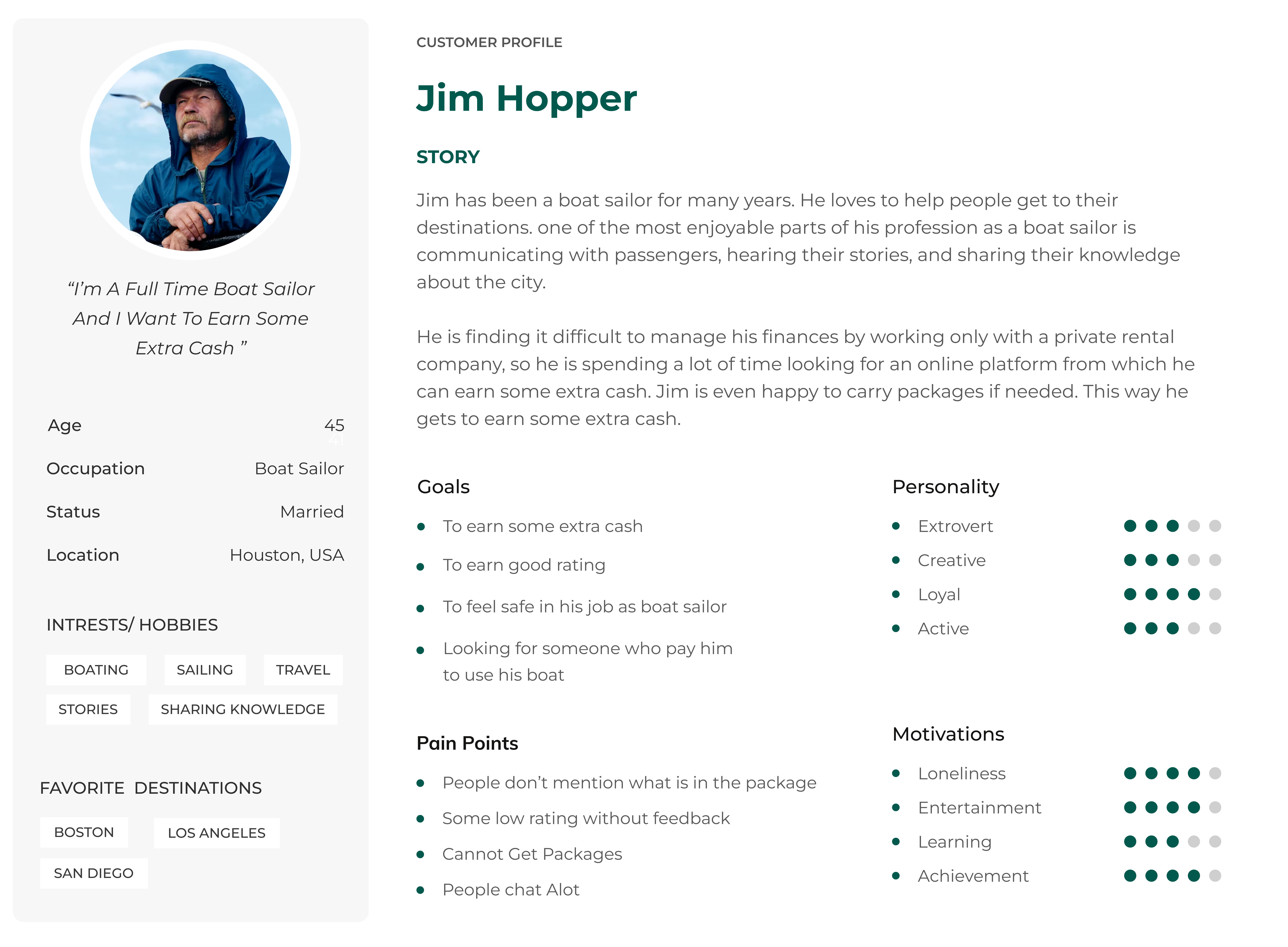
UX research methods are designed to help you understand what your customers want and how to make it happen. The best research methods can speed up your design process and decrease the time it takes to fix flaws. If you focus on what your users are most passionate about, you can design a product that they love to use.
There are many different UX research methods, but the best one is probably a mix of quantitative and qualitative methods. Quantitative methods can be used to collect statistics, but qualitative methods will allow you to get a better understanding of user behavior and feelings.
When choosing the appropriate UX research method, it is important to choose the one that fits the type of project you are working on. An online store might use card sorting in order to see how customers group products on its page. Card sorting is particularly useful when you need to organize navigational structures, or other visual elements.
A focus group is another useful UX research method. A UX researcher leads focus groups and asks questions to find out more about your target market. A focus group allows participants to pair up with another person or a neutral party. This is a great way to get feedback from many people without the need to spend time or money recruiting actual users.
Another useful UX tool is the diary study. It allows you to track your own thoughts as you go through a complex process. Diary studies are also useful if you are interested in tracking your UX over a longer period of time. This type of study is also possible remotely.
Surveys can be an effective tool in UX research, especially if you need to collect data quickly. Many surveys can be sent internationally and allow you to quickly gauge the opinions of your users about your site and app. They are also relatively inexpensive and easy to set up.
A/B Testing is another popular way to test the effectiveness of different features on a site. These tests show you the effect that different aspects of a site design have on conversion rates.
These are some of the most popular UX research methods. However, there are other options. For example, you could test whether a chatbot works well or assess how customers interact and interact with your website. You can even try remote testing if you have a large number of participants. This is an excellent way to gauge the opinions of the people affected by an outbreak.
The type and size of the project will influence the UX research method you choose. But, to determine the best UX research method, you need to be open-minded, flexible, and ready for experimentation. Netflix wouldn't be where they are today if it followed the same method as everyone else.
FAQ
What is a UI designer?
A user interface (UI) designer creates interfaces for software products. They design the application's layout and visual elements. Graphic designers may also be part of the UI designer.
The UI designer should be able solve problems by understanding how people use computers.
A UI designer should have a passion for technology and software design. The field requires that the designer understands all aspects of it, from designing ideas to writing code.
They should be able use a variety of tools and techniques to create designs. They should be able solve problems creatively by thinking outside the box and come up with innovative solutions.
They must be organized and detail-oriented. They should be able create prototypes quickly and efficiently.
They should feel at ease working with clients, large and small. They should be able to adapt to changing situations and environments.
They should be able speak clearly and effectively with others. They should communicate clearly and concisely.
They should be well-rounded individuals who possess strong communication skills.
They must be motivated and driven.
They should be passionate about their craft.
Can I create my own website with HTML & CSS?
Yes! If you've read this far, you should now know how to create a website.
After you have learned how to structure a website, you will need to know HTML and CSS.
HTML stands for HyperText Markup Language. This is like writing a recipe. It would include ingredients, instructions, as well as directions. HTML also tells a computer what parts of text should be bolded, underlined or italicized. It's the language that documents use.
CSS stands for Cascading Style sheets. Think of it like a style sheet for recipes. Instead of listing each ingredient and instructing, you can write down general guidelines for font sizes, colors and spacing.
HTML tells a browser how to format a webpage; CSS tells a browser how to do it.
Don't worry if you don't know the meaning of either one of these terms. Follow the tutorials and you will soon be creating beautiful websites.
What technical skills do I need to design and construct my site?
No. All you need to understand HTML and CSS. You can easily find tutorials online that teach both HTML and CSS.
What is a static web site?
A static website can be hosted anywhere including Amazon S3, Google Cloud Storage (Google Cloud Storage), Windows Azure Blob storage and Rackspace Cloud files. You can also deploy static sites to any platform that uses PHP, such WordPress, Drupal Joomla! Magento PrestaShop.
Static websites are typically easier to maintain, as they don’t have to constantly send requests between servers. A static web page loads faster as there is no need to forward requests back and forth among servers. Smaller companies with limited resources and the time required to manage websites properly will find static web pages more beneficial.
Statistics
- It enables you to sell your music directly on your website and keep 100% of the profits. (wix.com)
- It's estimated that in 2022, over 2.14 billion people will purchase goods and services online. (wix.com)
- At this point, it's important to note that just because a web trend is current, it doesn't mean it's necessarily right for you.48% of people cite design as the most important factor of a website, (websitebuilderexpert.com)
- In fact, according to Color Matters, a signature color can boost brand recognition by 80%. There's a lot of psychology behind people's perception of color, so it's important to understand how it's used with your industry. (websitebuilderexpert.com)
- The average website user will read about 20% of the text on any given page, so it's crucial to entice them with an appropriate vibe. (websitebuilderexpert.com)
External Links
How To
What is website Hosting?
Website hosting describes where visitors go when they visit a site. There are two types:
-
The cheapest option is shared hosting. Your website files are stored on a server that is owned by another person. Customers visiting your website send their queries over the Internet, to that server. The server owner then forwards the request to you.
-
Dedicated hosting - This is the most expensive option. Your website will reside on a single server. Your traffic stays private as no other websites can share the same server.
Shared hosting is preferred by most businesses because it's cheaper than dedicated hosting. When you use shared hosting, the company that hosts the server gives you the resources to run your site.
However, both have their advantages and disadvantages. Here are the main differences between them:
Pros of Shared Hosting
-
Lower Cost
-
It's easy to set up
-
Frequent Updates
-
It is available on many Web Hosting Companies
Hosting shared can be as low as $10 per month. This price often includes bandwidth. Bandwidth refers to the amount of data you can transfer across the Internet. Even if you are only uploading photos to your blog site, high data transfer rates can still cost you extra.
You will quickly see why you paid so much for your former host once you have started. The majority of shared hosts offer limited customer support. You'll be on your way after they walk you through setting it up.
Providers that offer 24-hour customer support are worth looking into. They will take care of any issues while you sleep.
Dedicated Hosting Cons:
-
More Expensive
-
Less is More
-
Requires Special Skills
With dedicated hosting, everything you need for your website is at your fingertips. You won't worry about how much bandwidth you are using or how much RAM (random Access Memory) you have.
This means that upfront, you'll need to spend a bit more. You'll soon realize that your business is self-sufficient once it's online. You'll quickly become an expert at managing your server.
Which Is Better For My Business, So Which Is Better?
This depends on the kind of website that you want. If you are selling products, shared hosting may be the best option. It's simple to set it up and keep it updated. It's easy to set up and maintain, as you share a server with other sites. You will likely be updated frequently.
However, dedicated hosting is the way to go if you want to build a community around your brand. You can focus on building your brand without worrying about handling your traffic.
If you're looking for a web host that offers both options, we recommend Bluehost.com. They offer unlimited monthly data transfers and 24/7 support. You can also register domain names for free.